Start with access geometry
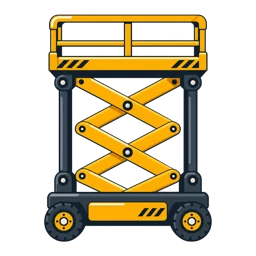
- Can the machine sit directly below the task? If yes, a scissor lift typically offers more platform space and capacity.
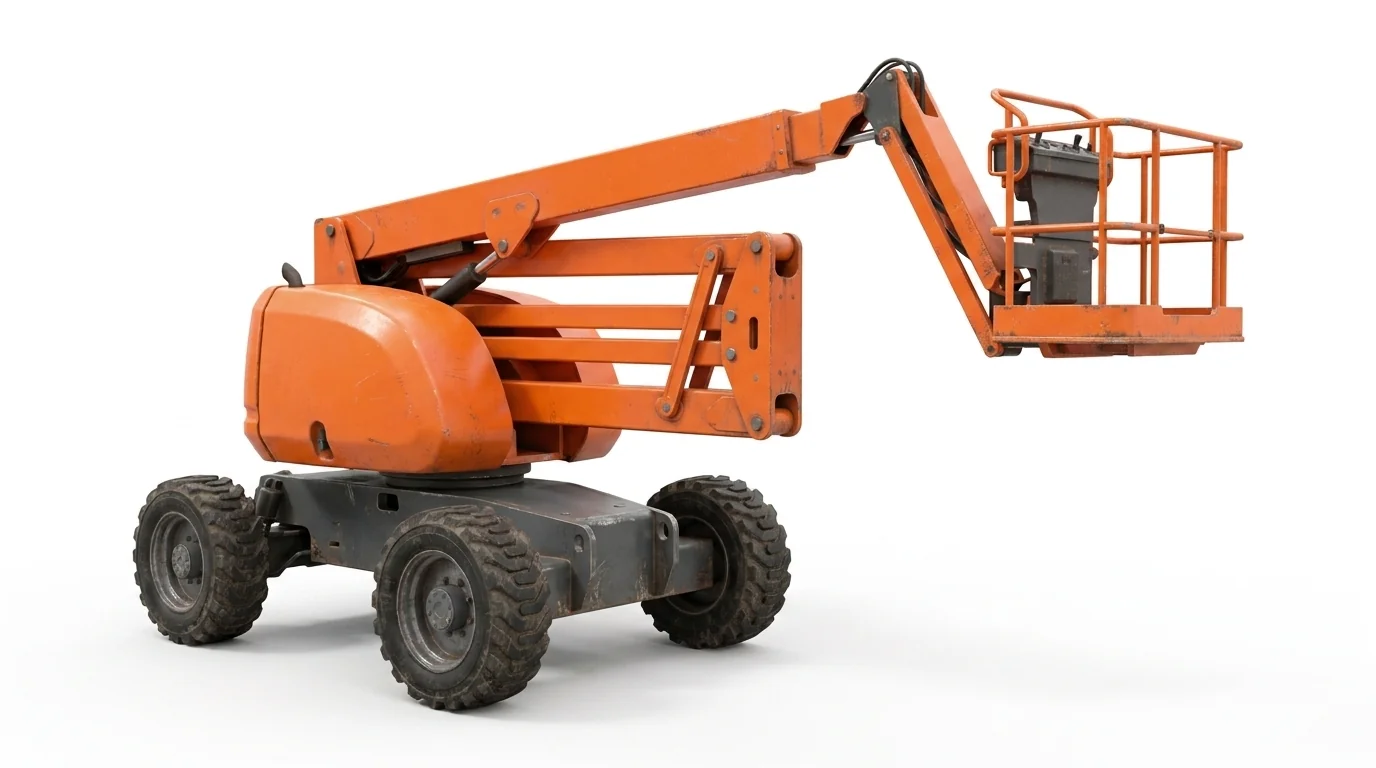
- Is the task offset by racking, machinery, or setbacks? An articulating or telescopic boom provides the necessary outreach.
Local factors that change the decision
- Interior slabs and long aisles in Davenport’s distribution and manufacturing buildings favor electric scissor lifts with non-marking tires. See /electric-scissor-lift-rental/.
- Outdoor work near the river or on unfinished sites can mean soft or uneven ground. Rough‑terrain scissors or booms with suitable tires may be required. Review /rough-terrain-scissor-lift-rental/.
Boom lift differences at a glance
- Articulating booms navigate up-and-over obstacles in tight sites.
- Telescopic booms provide longer straight-line reach for open approaches. Compare details at /boom-lift-rental/.
Measurements that narrow any aerial lift choice
- Required working height and horizontal reach or setback
- Platform size for people, tools, and materials
- Route constraints: doors, gates, ramps, and turning radius
- Surface type and bearing capacity from delivery point to work area
- Power and noise constraints for occupied interiors vs. open sites
Davenport’s seasonal planning notes
Cold seasons, humid summers, and changing riverfront conditions influence traction, battery performance, and wind exposure. Actual conditions, the selected unit’s instructions, and site procedures govern whether work can proceed on a given day.