Begin with load, placement point, and path
Define the heaviest pallet or bundle, its dimensions, and how far it must reach—up to a second-floor edge, over a form, or into a trailer. Then trace the travel path from delivery to placement. Tight gates, uneven laydown areas, and slope changes around local sites often set the upper bound on machine size.
Key comparisons: - Rated capacity across the load chart at the intended reach - Overall width and turning radius for site lanes and staging zones - Tire and drivetrain needed for clay or loam that softens after rain
Davenport terrain and weather influences
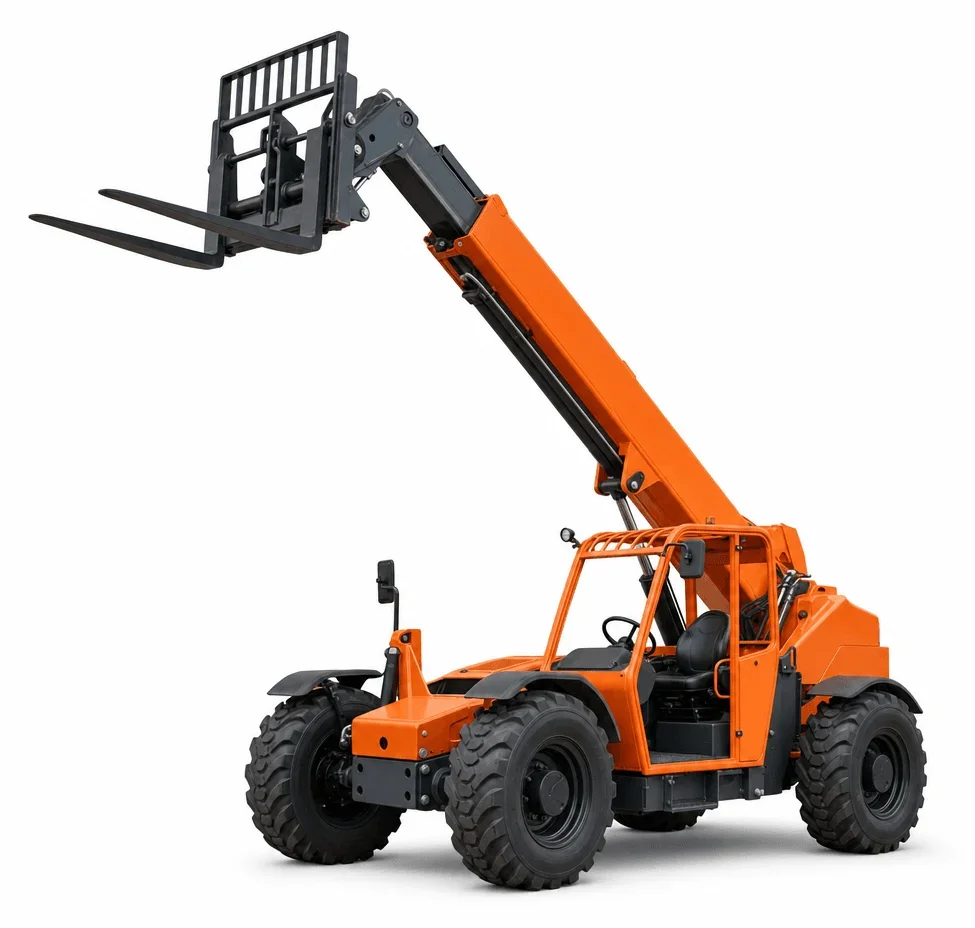
Seasonal humidity and freeze‑thaw cycles can leave subgrade inconsistent, especially near the river corridor. Rough‑terrain telehandlers with appropriate ground clearance and stabilizing geometry are commonly specified for exterior work. Elevated placements are governed by actual site conditions, the unit’s instructions, and project procedures.
Fork pockets vs. attachments context
Different load shapes—palletized product, rebar bundles, or mechanical units—change fork spacing and carriage features. Site rules may dictate what’s permitted. Knowing the typical load mix and where it must land helps select carriage style and auxiliary features during planning.
Coordinating with aerial work and storage
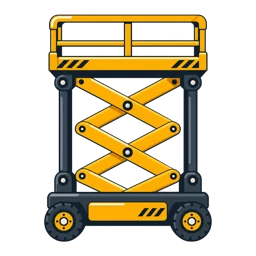
Telehandlers often feed crews on booms or scissor lifts. Staging materials closer to pick points can cut repositioning time. On longer projects, secure laydown can be supported with portable storage to keep materials organized in changing weather.
Related planning pages: /forklift-rental/, /telescopic-boom-lift-rental/, /rough-terrain-scissor-lift-rental/, /storage-containers-rental/, /generators-light-towers-rental/.