Start with reach, setback, and swing room
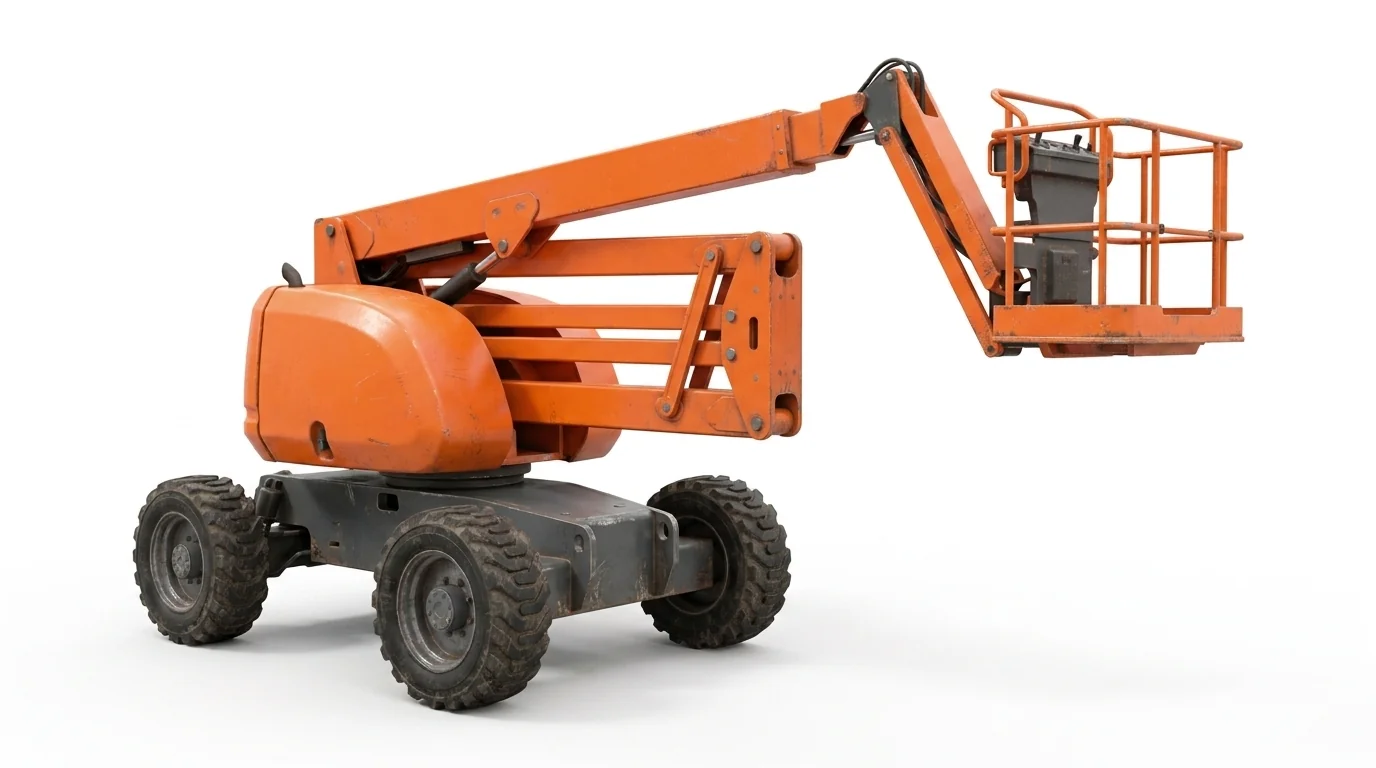
Telescopic booms excel when horizontal distance is the constraint. Map the setback from the machine’s stopping point to the work face, then the required platform height. Confirm there’s room to rotate the house and place the boom without striking nearby structures, trucks, or stored materials common at local distribution sites.
Key decision points: - Required horizontal outreach vs. allowable machine footprint - Platform height accounting for grade changes between parking spot and work - Tail swing clearance in open yards or along building perimeters
Terrain and Davenport’s river corridor
Soft or sloped ground near the riverfront and on clay-rich cuts can change support options. Rough‑terrain drives and larger tires help navigate uneven surfaces during exterior projects, while wind exposure along open lots may limit allowable work depending on the unit’s instructions and site procedures. Exterior or elevated work is governed by real conditions, the selected unit’s limitations, and project rules.
Comparing telescopic vs. articulating
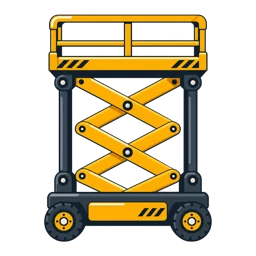
Choose telescopic when the path to the work is clear and distance is the main barrier. If an obstacle sits between the machine and the task—piping bridges, canopies, or racking—an articulating boom’s knuckle may place the platform more efficiently. For purely vertical indoor tasks on smooth slab, see scissor lifts.
Fit with Davenport facility work
Industrial maintenance often pairs a telescopic boom with material placement from a telehandler to limit repositioning. On sprawling sites, consider machine width and transport path through gates and service lanes, plus fueling or charging access.
Related planning pages: /articulating-boom-lift-rental/, /electric-scissor-lift-rental/, /telehandler-rental/, /boom-lift-rental/, /aerial-lift-rental/.