Fit the lift to the outdoor job geometry
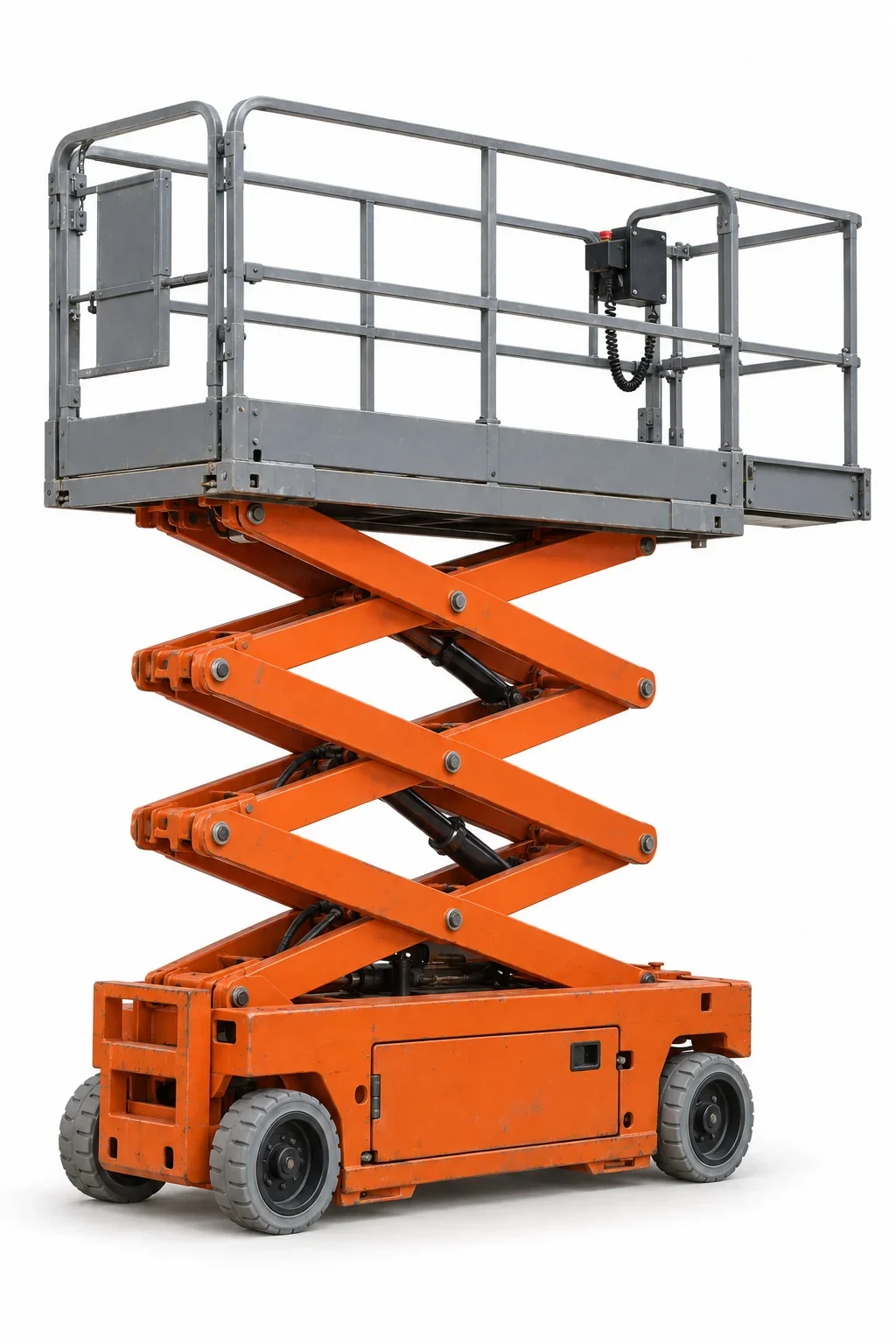
- If the work is vertical and the machine can park under the task, a rough‑terrain scissor offers a larger platform and higher capacity than comparable booms.
- If reach is offset by trees, utilities, or barriers, a boom lift may be the better match. Compare options at /boom-lift-rental/.
Davenport ground and weather factors
- River-bottom loam and hillside clays can soften during humid periods or after storms. That affects flotation and traction, making wider stance and aggressive tread more important.
- Wind exposure on open sites and near the river can limit elevated work. Actual conditions, the selected unit’s instructions, and site procedures govern whether work proceeds.
Specs that narrow your selection
- Required platform height vs. site wind and exposure
- Machine width vs. access gates and temporary fencing
- Ground clearance and tire tread needed for ruts and debris
- Weight and contact pressure for soft or recently graded soils
- Fuel type and noise profile for mixed-use areas
Common Davenport use cases
- Exterior building improvements at industrial sites with unfinished perimeters
- Utility installs across graded corridors where slab lifts cannot travel
- Riverfront resilience work where ground firmness changes week to week
For indoor or finished-floor tasks, see /electric-scissor-lift-rental/ for slab-ready options. For outreach beyond vertical access, review /aerial-lift-rental/ to compare scissor and boom capabilities.